Knowledge

Home Food Storage on a Budget: Building Your Pantry Without Breaking the Bank

There is a pot and an empty canning jar on a counter in a kitchen. There is three jars with vegetables and there is a cutting board with carrots and cucumbers and a set of tongs.

Building a well-stocked pantry doesn’t require a second mortgage or a warehouse. With smart shopping strategies and a systematic approach, you can create a robust food storage system that fits both your budget and your lifestyle. Start With What You Actually Eat The biggest mistake in food storage is buying items you’d never normally consume. Those buckets of wheat berries won’t help if you don’t own a grain mill or know how to use one. Instead, focus on extending your everyday pantry. Look at your family’s regular meal rotation. If…

Read More

Building Your First 72-Hour Emergency Kit: A Practical Guide

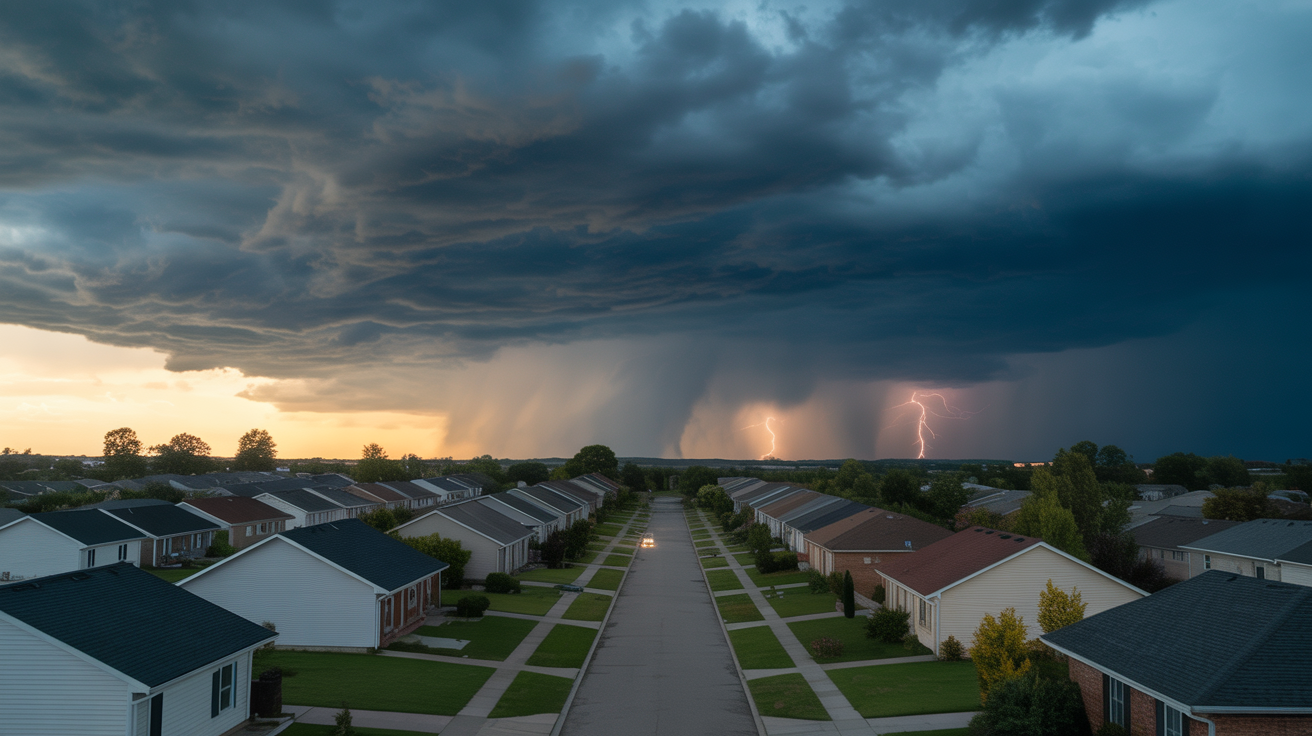
Overhead view of a neighborhood with a lot of houses. There is a storm in the background with lightening.

When disaster strikes—whether it’s a hurricane, winter storm, or unexpected evacuation—having a well-stocked 72-hour emergency kit can make the difference between panic and preparedness. This guide will walk you through building a practical kit that actually works for real-life emergencies. Why 72 Hours? Emergency management professionals use 72 hours as a benchmark because it’s the typical time frame before organized relief efforts can reach affected areas during major disasters. Your kit should sustain you and your family during this critical window. The Foundation: Water and Food Water is your top…

Read More

Preparing For Spring Storms

A green field with power lines running through, a forest in the background and dark storm clouds in the sky.

As we welcome spring and the wonderful things it brings we also need to remember to prepare for spring weather. Here are a few tips to get you ready: 1. Clean gutters and downspouts 2. Check your roof and the exterior of your home for any damage 3. Sign up for weather alerts on your phone 4. Review your storm safety plan 5. Repair any leaks 6. Check your go bags and emergency kits to replace/replenish 7. Plan your evacuation routes 8. Check surrounding trees and trim as needed 9.…

Read More

Prepper Acronyms

A hiking backpack leaned up against a tree in the forest. A hammock is attached to the tree with a canopy over the hammock.

If you’ve spent any time in a prepper chat forum or reading prepper blogs then you’ve come across these acronyms. Most seasoned preppers already know these but I wanted to put this out there for those of you who may be new to prepping. There’s nothing more frustrating than not being able to understand what someone is talking about. So take the time to browse through this list and get familiar with them. This isn’t an all inclusive list because there’s so many out there but these are the most…

Read More

Prepper Pantry: Spices

Small jars of various spices sitting on a wooden shelf.

Spices for your Prepper Pantry Having spices in your prepper pantry is important. It’s important because it will allow you to add variety to your meals. You can start with the same basic ingredients but if you change the spices, then it can taste like something completely different. And because spices take up very little space you can greatly expand your meal options without sacrificing too much room in your pantry. Food will play a huge role in our survival if we ever find ourselves in that situation. And not…

Read More

Prepper Tips: Your Get Home Route for SHTF

A gravel road with tall pines trees on both side, the sun is faintly filtering in through the trees.

How are you getting home if SHTF happens while you are out? Have you planned your route? The route that you drive may not be the fastest, easiest or safest way home if you are on foot. Take some time this week to figure this out for the three places you visit the most often, if you don’t already know. And then the next time you go to one of those places make sure to drive home taking your new route so you can see it in person. There may…

Read More

Survival First Aid: Jewelweed

A picture of a jewel weed plant, there is the green stem and leaves and one orange trumpet shaped flower blossom.

Identification: Orange flowers with red spots are trumpet shaped and have a curly tail. The leaves are oval shaped with shallow rounded teeth. The seed pods are long, slender and ribbed. Uses: The stalk has a gooey fluid that is great for treating a variety of skin irritations. Things like bee stings, dermatitis, poison ivy, rashes and more. You can break the stalk and apply the fresh juice and pulp to the affected area for immediate relief.

Read More

Managing Stress In SHTF

Tall skyscrapers in a city are burning down and crumbling. There is a lot of smoke in the air.

While most groups and forums deal heavily with a focus on food and gear, there are many other items that you need to understand to be a well prepared prepper. Stress management is one of those items. How well do you handle stress? This is a question you need to answer honestly. You are the only one who will have to hear the answer, so please be honest with yourself. Stress can be a dangerous thing. And knowing how to deal with it can be a life saver. There are…

Read More

Prepper Tip: Test Your Gear

A person wearing a backpack is standing on the edge of a mountain looking into a valley. The air is foggy.

Sometimes we end up with gear, tools, food or other things that we bought but never tested out. It got thrown in the back of the pantry or into the bottom of your bug out bag with the intention of trying it out “soon.” And then you forgot about it. You don’t want to find yourself in a stressful situation and forced to use something for the first time. Maybe it will be fine, maybe it’ll lead to a knock-down, drag-out screaming bloody hell temper tantrum because a small gear…

Read More

Long Term Seed Storage

There are small green sprouts growing out of dark soil.

When it comes to saving seeds, it’s important to consider the long-term storage of those seeds. Proper storage can help extend the viability of your seeds and ensure that they are ready to use when you are ready to plant them. Here are some tips for storing seeds for the long term. Choose the right storage container: It’s important to choose a container that is airtight and moisture-proof. One common mistake when storing seeds is using containers that are not airtight. Air can cause seeds to dry out, which can…

Read More